

 By
By In a digital world where customers are constantly surrounded by information, simplicity has become a powerful advantage. Businesses no longer need websites packed with animations, graphics and countless features to make an impression. Instead, a clean, focused and purposeful website can communicate a brand’s value more effectively.
This is the thinking behind minimal web design—an approach that prioritises clarity, usability and meaningful content over unnecessary visual elements. For modern businesses, minimal design is not about having less for the sake of it. It is about making every element serve a clear purpose.
What Does Minimal Web Design Really Mean?
Minimal design is often misunderstood as simply using a lot of white space. In reality, it involves carefully considering everything that appears on a webpage.
From typography and colours to images, navigation and content, each element should contribute to the visitor’s experience. Unnecessary distractions are removed, allowing important information and calls to action to stand out.
A minimal website may use fewer colours, simpler layouts and cleaner typography, but that does not mean it has to look plain. Strong visual hierarchy, quality imagery and thoughtful spacing can create a sophisticated and memorable digital presence.
Why Simplicity Works for Businesses
Visitors typically don’t arrive on a website to admire its design. They come with a purpose.
They may want to understand a service, compare products, find pricing, make an enquiry or purchase something. If the website makes these tasks difficult, visitors can quickly become frustrated.
Minimal design helps businesses create a more straightforward journey. Clear navigation makes information easier to find, while focused layouts guide visitors towards important actions.
This can be particularly valuable for an e-commerce website, where customers need to browse products, compare options and complete purchases without unnecessary distractions.
Faster Websites, Better Experiences
Another advantage of a simpler design approach is performance.
Heavy animations, oversized images, unnecessary scripts and complex page elements can affect loading speed. A carefully planned website can achieve a balance between visual appeal and technical performance.
Faster pages can create a smoother experience, particularly for mobile users. This matters because customers may access a website from different devices and network conditions.
A minimal approach encourages businesses and designers to question whether every element is genuinely necessary. Removing unnecessary components can make the website cleaner while potentially improving performance.
Mobile-First Thinking Is Essential
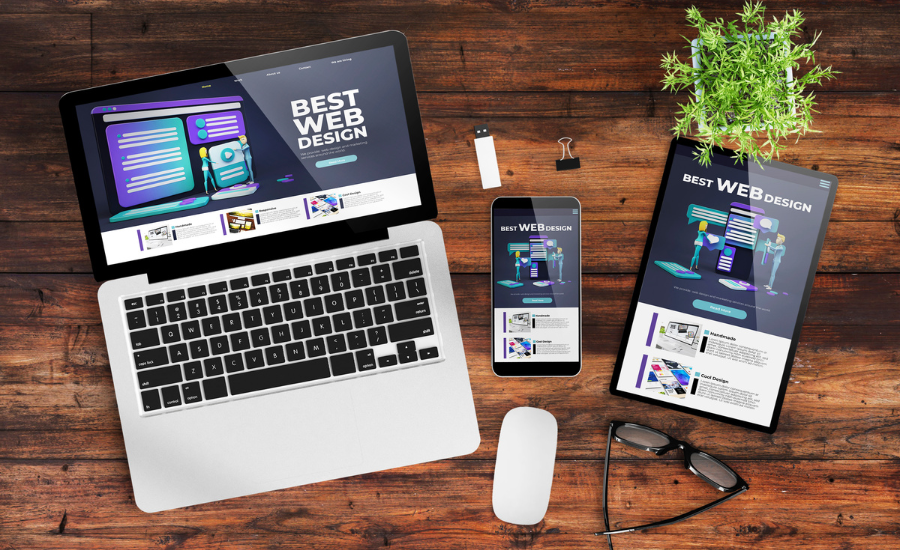
Modern websites need to work across smartphones, tablets and desktops. A design that looks impressive on a large screen can become difficult to use when squeezed onto a mobile display.
Minimal layouts are naturally suited to responsive design because they rely on clear structures rather than excessive visual elements.
Buttons can be easier to tap, text can remain readable and navigation can be simplified for smaller screens. The result is a more consistent experience across devices.
Minimalism Does Not Mean Generic
One concern businesses sometimes have is that simple websites may look similar to one another. This can happen when minimal design is applied without considering brand identity.
A professional website design company in Mumbai can use minimalism while still creating a distinctive visual identity.
Brand colours, typography, photography, illustrations, messaging and carefully selected design details can give a website personality without overwhelming the visitor.
The goal is not to make every website look the same. It is to create a design where the brand remains the focus.
Better Focus on Conversions
A website should ultimately support business objectives.
Whether the goal is generating enquiries, selling products, booking appointments or encouraging visitors to contact the business, the design should guide users towards the appropriate action.
Minimal design can help by reducing distractions around important calls to action. Instead of presenting visitors with multiple competing options, the page can clearly communicate what they should do next.
For an e-commerce website, this might mean making product information, pricing, add-to-cart buttons and checkout options easy to locate.
Designing for the Future
Technology and design trends will continue to evolve, but the fundamentals of good user experience remain relatively consistent.
Customers will always value websites that are easy to understand, quick to use and visually comfortable. This makes purposeful simplicity more than a temporary trend.
Businesses should therefore think beyond creating a website that looks modern today. The objective should be to build a flexible digital platform that can evolve as the business, products and customer expectations change.
The Future Is Simpler—but Smarter
Minimal web design is not about removing everything from a webpage. It is about removing what doesn’t add value.
A successful website combines simplicity with strategy. It uses design to communicate, technology to improve performance and content to help visitors make informed decisions.
For businesses looking to create or redesign their online presence, working with an experienced website design company in Mumbai can help turn these principles into a practical digital experience.
The future of business websites isn’t necessarily about more features, more animation or more visual effects. It is about making every element count.
Less clutter. More clarity. Better experiences. Maximum impact.