

 By
By Mumbai has always been a city where music breathes through everyday life—from early morning ragas drifting through old neighborhoods to powerful performances on grand stages. For aspiring singers, learning Hindustani vocals in Mumbai is more than just vocal training; it is a journey that blends discipline, tradition, creativity, and performance confidence. From mastering Sa Re Ga to becoming stage-ready, this journey shapes both the voice and the artist within.
The Foundation: Understanding Sa Re Ga
Every Hindustani vocalist begins with the basics—Sa, Re, Ga, Ma, Pa, Dha, Ni. These notes are not just musical sounds; they are the backbone of classical Indian music. In Mumbai’s vocal training ecosystem, beginners are introduced to swara sadhana (note practice), breathing techniques, and voice culture exercises that help build pitch accuracy and vocal strength.
Regular riyaaz (practice) helps students internalize these notes, develop tonal clarity, and gain control over their voice. This strong foundation ensures that as learners progress, their singing remains stable, expressive, and authentic.
Learning the Language of Ragas
Once the basics are clear, students move into the world of ragas—the soul of Hindustani classical music. Each raga carries a mood, time, and emotion. Learning ragas teaches singers how to express feelings through structured melodic frameworks.
In Mumbai, vocal training often balances tradition with modern learning methods. Students explore alankars, sargams, and simple compositions while gradually understanding how ragas are expanded through aalap, taan, and bol-bant. This phase nurtures musical sensitivity and deepens the connection between voice and emotion.
Rhythm, Taal, and Musical Discipline
A stage-ready vocalist must have a strong sense of rhythm. Hindustani vocal training places equal importance on taal (rhythm cycles) such as Teentaal, Ektaal, and Dadra. Learning to sing in sync with rhythm builds timing, precision, and confidence.
Mumbai’s music culture exposes learners to live accompaniment early on, helping them understand coordination with instruments like tabla and harmonium—an essential skill for performances.
Blending Classical Roots with Performance Skills
What makes learning Hindustani vocals in Mumbai unique is the exposure to diverse musical platforms. While classical purity remains the core, students often get opportunities to explore semi-classical, light music, and even Bollywood-based compositions.
This exposure helps vocalists adapt their classical training to contemporary stages without losing authenticity. Voice modulation, expression, and stage presence become just as important as technical accuracy.
From Practice Room to Stage
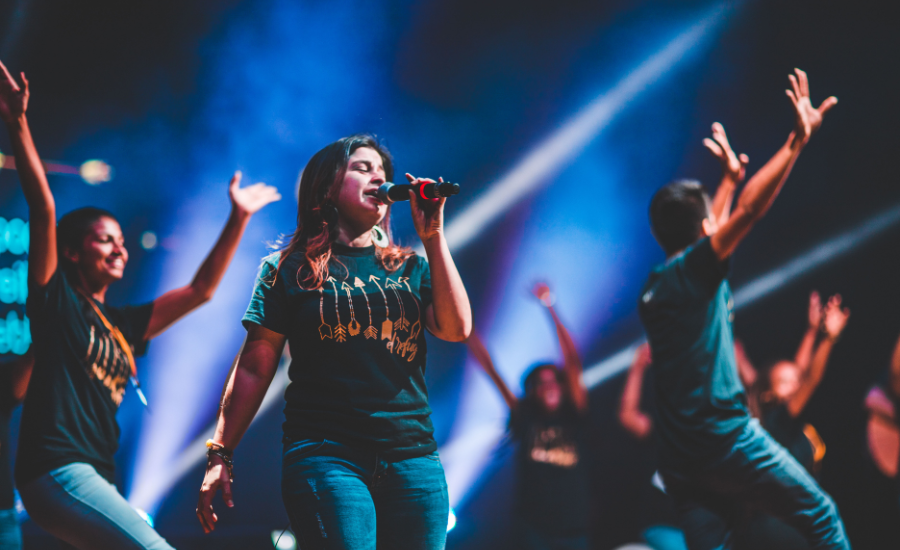
Becoming stage-ready requires more than good singing. Performance training focuses on confidence, posture, microphone handling, and audience connection. Many music institutes and vocal classes in Mumbai encourage students to participate in recitals, competitions, and live showcases.
These experiences help singers overcome stage fear, understand live acoustics, and refine their performance style. Each performance becomes a learning step toward professionalism.
A City That Shapes Musicians
Mumbai’s vibrant music ecosystem plays a vital role in shaping aspiring vocalists. The city offers access to experienced gurus, collaborative learning environments, and diverse performance opportunities. Being surrounded by musicians, studios, and live events inspires learners to stay committed and ambitious.
Conclusion
The journey from Sa Re Ga to stage-ready is a transformative one. Learning Hindustani vocals in Mumbai is not just about acquiring musical skills—it’s about building discipline, emotional expression, and performance confidence. With the right guidance, consistent practice, and exposure, aspiring singers can turn their passion into a powerful stage presence, carrying forward the timeless legacy of Hindustani music into the modern world.